TCI Alumna Digs Into Climate Tech Adoption Around the World
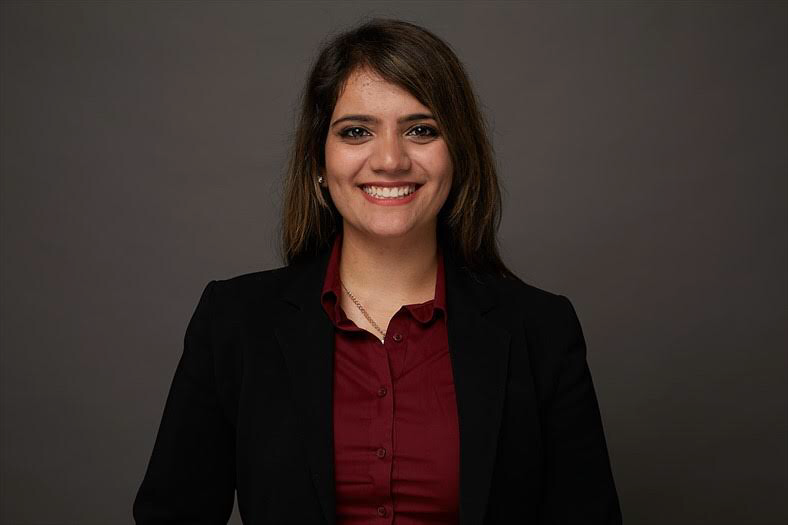
Field-based study is the cornerstone of the research agenda of the Tata-Cornell Institute for Agriculture and Nutrition (TCI), rooting its work in the real world and ensuring that it can be impactful for the communities involved. So, when COVID-19 spread across the globe and the world ground to a halt, Vanisha Sharma’s plans for a research project in rural India were thrown into doubt. Yet, with hard work and innovative thinking, the TCI scholar managed to complete her research in the midst of the pandemic and earned her PhD in applied economics and management. Now, as a postdoctoral researcher at the University of Washington, Sharma is building upon her doctoral research and helping to inform agricultural policy in an array of countries.
At the University of Washington, Sharma works for the Evans Policy Analysis and Research Group (EPAR), a research unit that uses a student-faculty team model to provide rigorous, applied research and analysis to international development stakeholders. Like TCI, EPAR hosts a diverse team of researchers. EPAR team members have skills and experience in agricultural economics, policy and even information technology.
Working with the EPAR group, Sharma researches climate adaptation by small-scale farmers in Sub-Saharan Africa and South Asia. The research is an extension of her doctoral work at TCI, which focused on technology adoption, specifically how information communication technologies can be used to provide agricultural education.
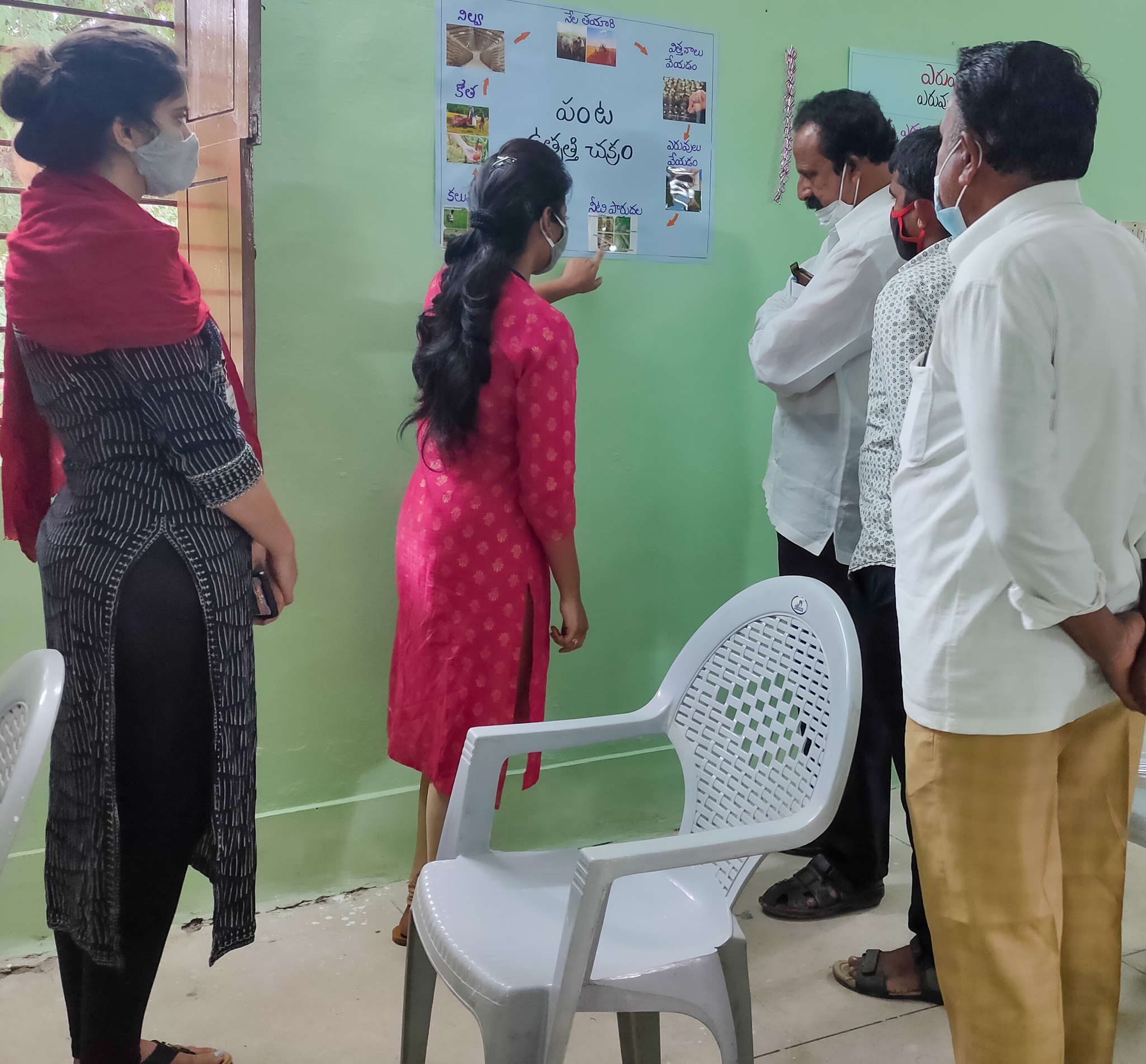
Vanisha Sharma conducted field-based research in Andhra Pradesh as part of her doctoral studies. (Photo provided)
In 2020, COVID-19 forced Sharma to reconsider her plans for a randomized control trial in Andhra Pradesh. After weighing the pros and cons of solely using mobile phone surveys, she amended her plan to minimize in-person contact among respondents by incorporating WhatsApp groups. She also extensively trained her survey team to maintain proper social distance while interviewing farmers. In the end, she was able to conduct a field experiment with 1,083 Indian farmers spanning 108 villages in Chittoor district. Sharma created 24 moderated, multi-village WhatsApp groups, where she shared posters and encouraged the discussion of topics like inputs, prices and pest prevention. Farmers from half of the groups were also invited to monthly, in-person lunch meetings and poster presentations on the same topics.
The results of the study showed that farmers in the WhatsApp groups were significantly more likely to use WhatsApp for agricultural decision-making. These farmers were also significantly more likely to invest more in their farms through inputs, like pesticide.
At EPAR, Sharma is also focused on technology adoption, but specifically studies climate-related information advisory and the role gender plays in adoption, with a broadened scope that includes farmers in Sub-Saharan Africa. Sharma says that there is an increasing number of “climate-smart” technologies that help farmers adapt to climate shocks, but adoption remains low. She wants to understand why.
“We are not looking for an impact, but the underlying reasons for low technology adoption of the climate adaptation strategies and the association of low adoption with the gender of the farmers,” she says.
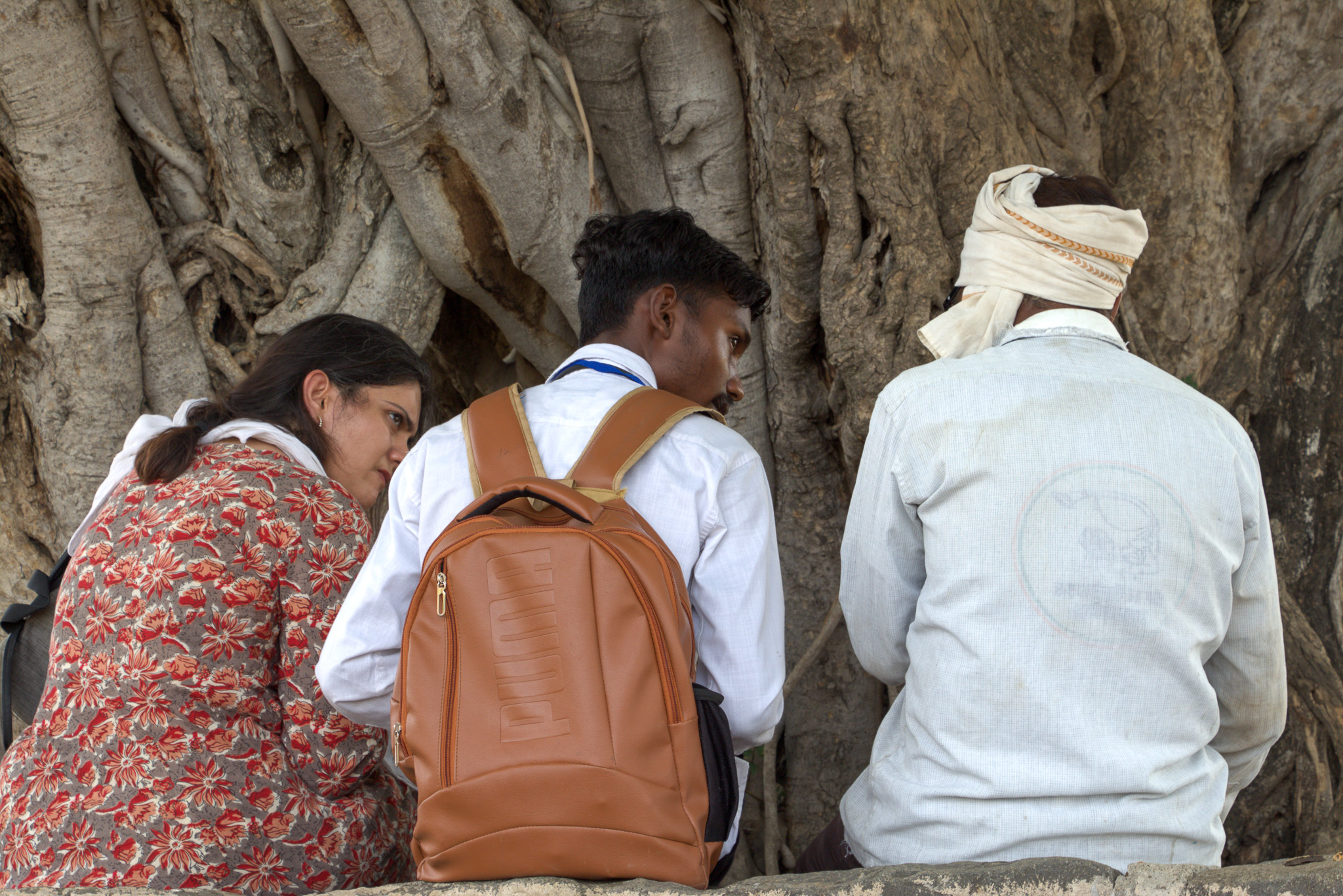
At EPAR, Sharma’s research is focused on climate-related technology adoption among farmers in South Asia and Sub-Saharan Africa. (Photo provided)
In addition to her research, Sharma is also involved in the development of a data visualization tool, AgQuery 50×30, which hosts agricultural data and guides policy analysis. Sharma says that AgQuery is unique in its ability to flexibly summarize and explore unprocessed survey data, helping to guide analysts through a series of policy analysis steps, such as flagging stakeholder considerations or recognizing tradeoffs.
The tool is part of the 50×2030 Initiative, which aims to collect high-quality agricultural data in 50 countries by 2030. When this data became publicly available for one of the first countries in the initiative, Cambodia, Sharma led a training session for Cambodian officials to use AgQuery in December 2024. She likened the experience to attending TCI research group meetings in graduate school.
“I was reminded of the TCI research seminars because of the wide range of skills in the audience,” she says.
The opportunity to interact with an array of people—from the policymakers she trains, to the graduate students she mentors and the farmers she studies—is the most rewarding part of Sharma’s work at EPAR.
“Working in policy analysis has been immensely rewarding and I hope to continue working on more meaningful projects in the future.”
Featured image: Vanisha Sharma graduated with a doctorate in applied economics and management from Cornell University in 2024. (Photo provided)